
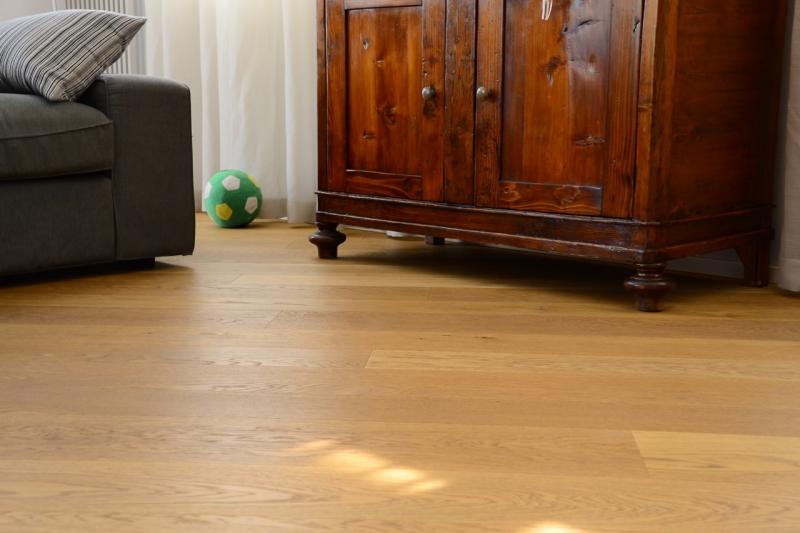
La scelta nei pavimenti in legno
Quando si sceglie un pavimento in legno, una delle domande che emergono più spesso riguarda la qualità del materiale e le cosiddette prime, seconde o altre scelte.
Un tema che genera spesso confusione e che merita di essere spiegato con attenzione.
Come accade per il marmo o per le piastrelle, anche nel mondo del parquet si cerca di classificare i materiali in base ad alcune caratteristiche, stabilendo selezioni e categorie.
Tuttavia, a differenza di molti altri materiali, nel caso del legno non si dovrebbe parlare di difetti, ma di caratteristiche naturali.
Il legno è un materiale vivo, autentico, e proprio per questo non è mai identico a sé stesso.
I "difetti" nei pavimenti in legno
Ribadiamo che - a differenza di altri materiali - non si può, nel caso del legno, parlare di "difetti". Il legno è un materiale naturale e variazioni nella tonalità, nelle fibre, nel disegno delle venature, sono caratteristiche assolutamente normali nella pianta.
Ogni tavola di parquet proviene da un albero diverso o da una parte diversa dello stesso tronco.
Variazioni di:
tonalità
disegno delle venature
presenza di nodi
fibre più o meno marcate
sono assolutamente normali e fanno parte della natura stessa del materiale.
Pretendere un parquet completamente uniforme significa, di fatto, snaturare il legno o scegliere prodotti fortemente selezionati, trattati o artificialmente standardizzati.
Cosa significa “scelta” nel parquet
Quando si parla di prima scelta, seconda scelta o altre selezioni, non si sta definendo un parquet “buono” o “difettoso”, ma il grado di variabilità estetica ammesso.
Le scelte servono a indicare:
quanta uniformità ci si può aspettare
quanta naturalità è visibile nel pavimento finito
Più la selezione è restrittiva, più il parquet apparirà omogeneo.
Più la selezione è aperta, più il pavimento racconterà la storia dell’albero da cui proviene.
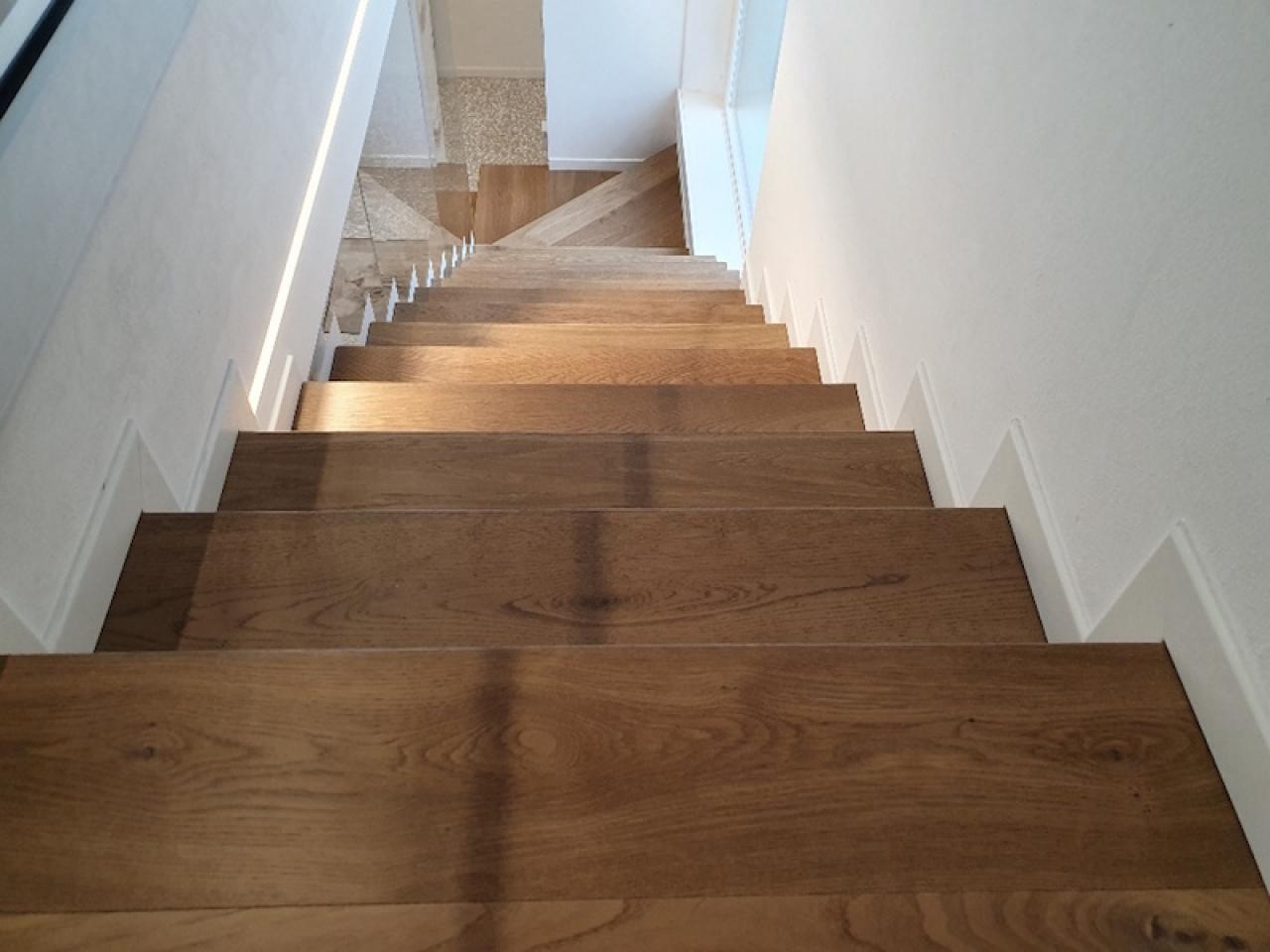
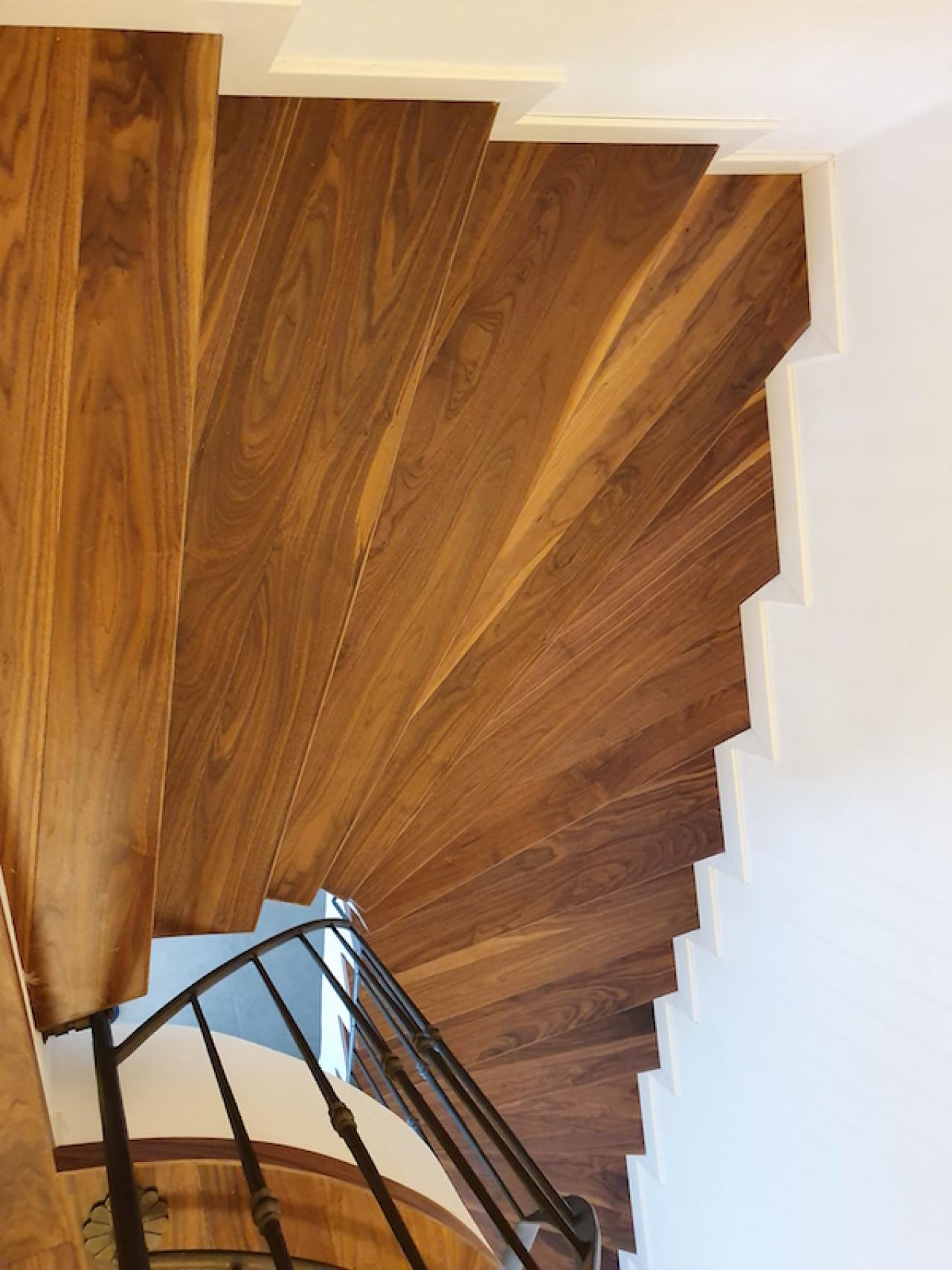
Rivestimento parquet per scala, scelta fiammata. Abitazione a Verona.
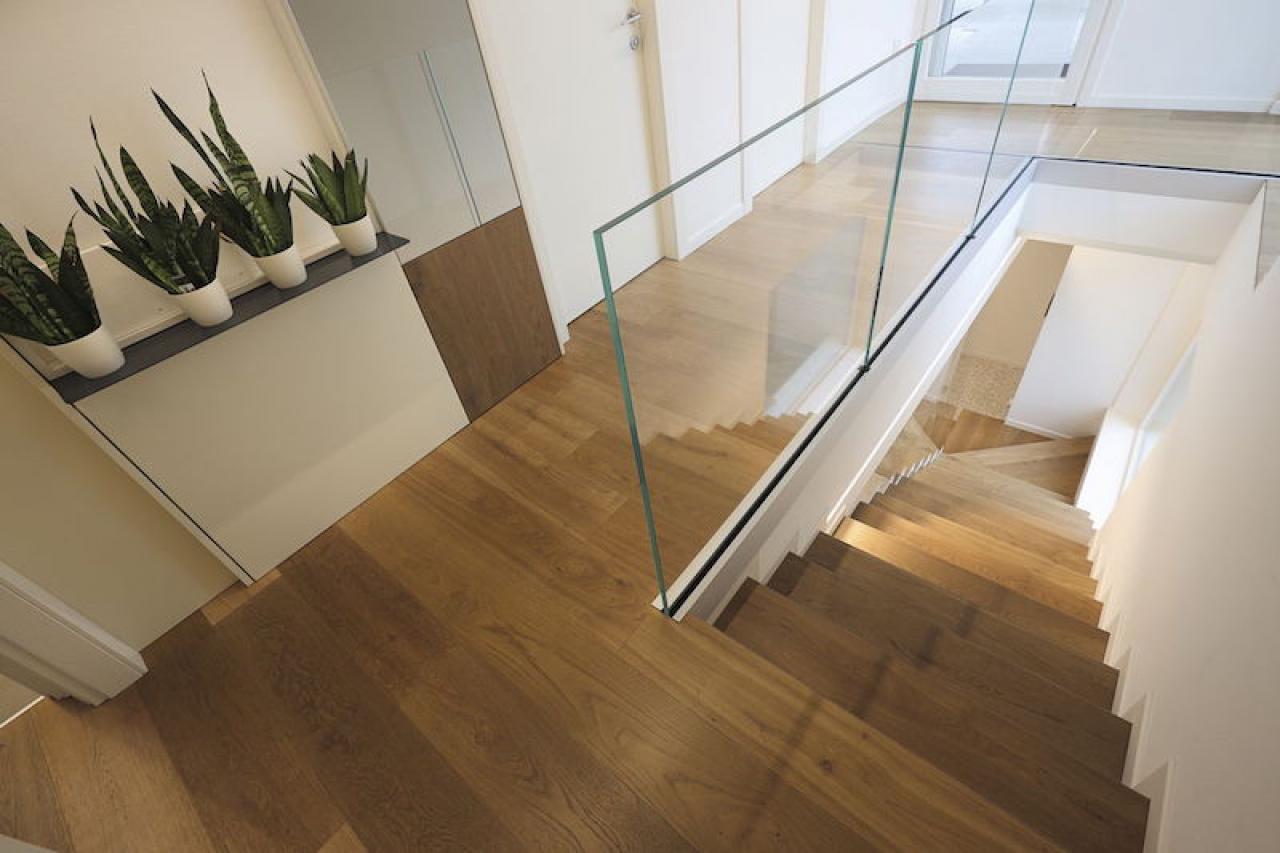
Per scoprire come sono stati realizzati i bagni e i pavimenti della casa, clicca qui.
Armonizzazione dei criteri di scelta a livello europeo
In ogni caso, a livello europeo, si è deciso di classificare la tavola di parquet - a seconda delle caratteristiche che vedremo - in tre differenti scelte: la scelta "cerchio", la scelta "triangolo" e la scelta "quadrato". Il fatto che si sia deciso di non utilizzare "prima scelta" o "seconda scelta" e vengano utilizzate, invece, forme geometriche non è casuale.
Le classificazioni commerciali
Il fatto di aver normato questa suddivisione ha messo fine alla confusione che imperava quando ogni produttore decideva come suddividere i propri prodotti, utilizzando denominazioni come "rustico", "natura", "rigatino fine" "fiammato" etc.
Va detto che queste classificazioni "commerciali" erano più facili da capire: il legno veniva descritto in modo molto più artigianale e visivo. Le cosiddette scelte non erano codici commerciali astratti, ma termini che raccontavano l’aspetto reale del legno, il suo taglio, il suo carattere. Parole come rigatino, fiammato, nodato o rustico erano parte del linguaggio quotidiano di falegnami, posatori e rivenditori, e aiutavano a capire immediatamente che tipo di pavimento si stava scegliendo.
Nella pratica commerciale alcune di queste denominazioni continuano ad essere utilizzate e per questo, ancora oggi, se ti rechi ad acquistare un pavimento in parquet potrà essere che il venditore te lo descriva utilizzando termini come rigatino o nodino o rustico.
Parametri che definiscono la scelta di un pavimento in legno
Attenzione: la classificazione Europea si concentra sull'apparenza, cioè sulla presenza di venature più o meno ordinate e di colorazione costante senza tenere conto di altri aspetti qualitativi della tavola, quali la bontà dello strato di supporto, il tipo di trattamento o il collante utilizzato.
Insomma un prodotto esteticamente buono potrebbe avere un supporto scadente o avere un trattamento di protezione non valido.
Le caratteristiche che riportiamo qui di seguito - abbinate alle differenti scelte - sono riferite al parquet di rovere (legno di quercia) che rappresenta la stragrande maggioranza delle vendite realizzate e che comunque rappresentano un buon riferimento anche per molti altri parquet.
Rivestimenti e pavimentazioni in legno a Vicenza
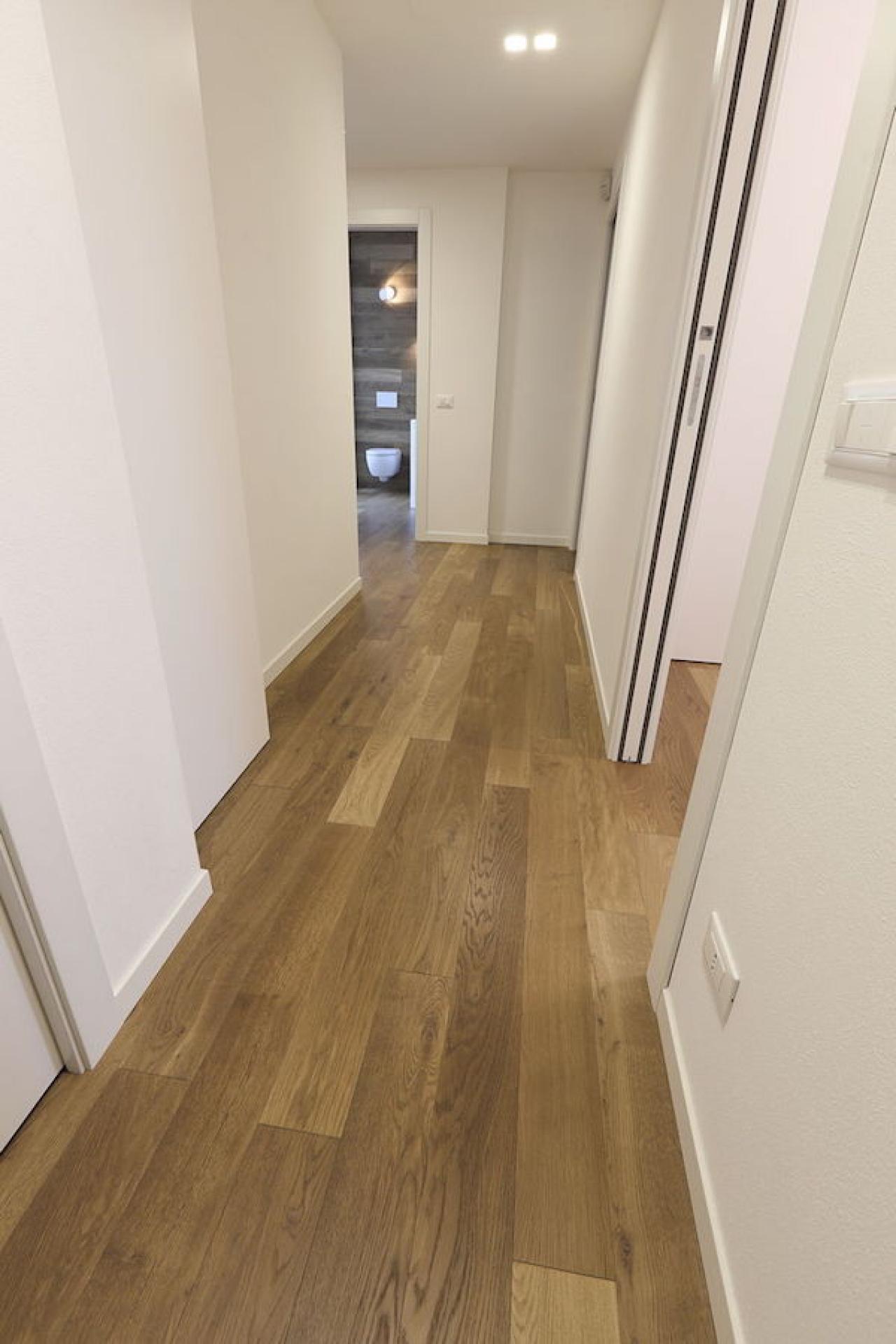
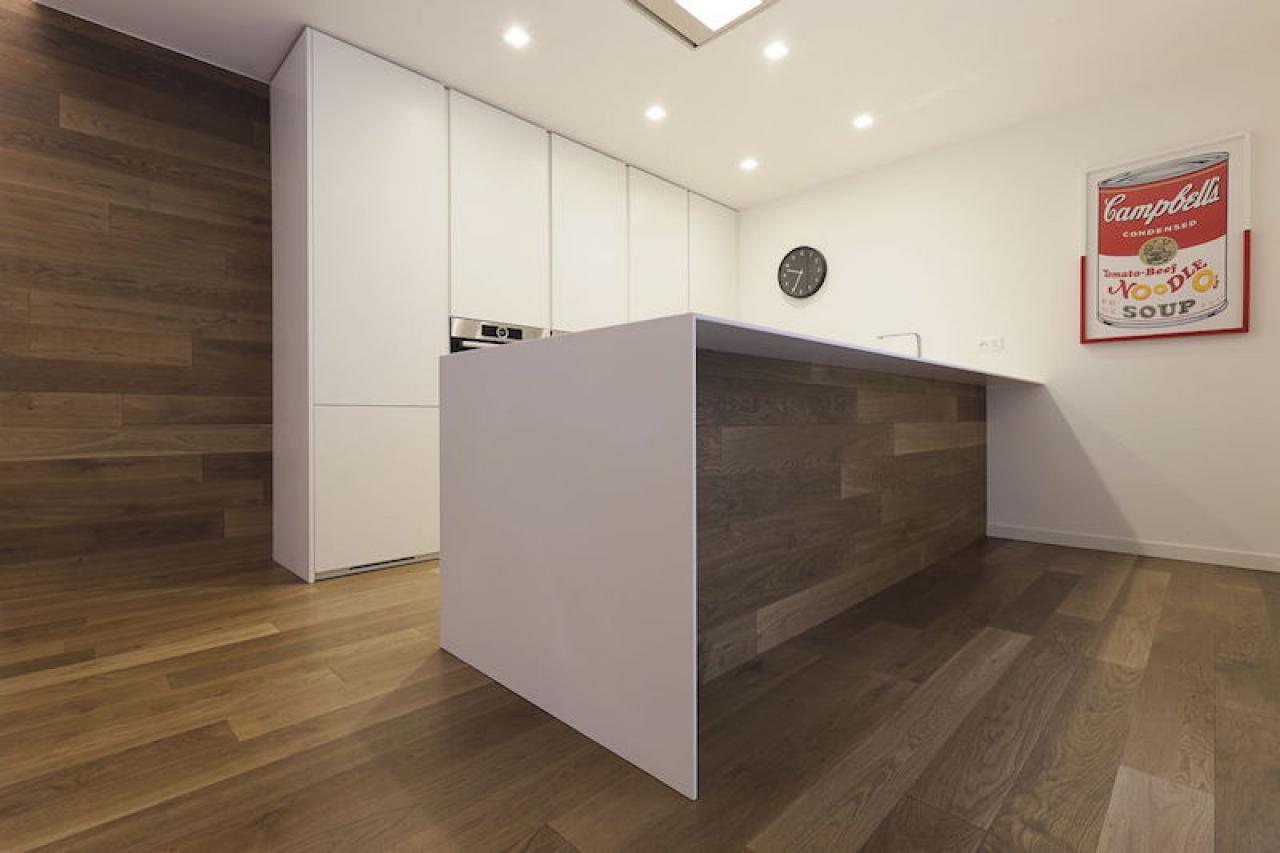
Scopri come, in questa cucina, abbiamo utilizzato il parquet anche per rivestire l'isola. Clicca qui: cucina chiavi in mano
La scelta cerchio nel parquet di rovere
Nella scelta cerchio:
► non è ammesso l'alburno
► non sono ammessi nodi, nemmeno sani a meno che non siano inferiori agli 8 millimetri
► non sono ammessi nodi marci stuccati a meno che non siano più piccoli di 1 millimetro
► non sono ammessi cretti
► non sono ammesse inclusioni di corteccia o colpi di fulmine
► è consentita la deviazione della fibratura
► è consentita una lieve variazione di colore
► sono consentite le specchiature o slumaccature (dovute ai raggi parenchimatici)

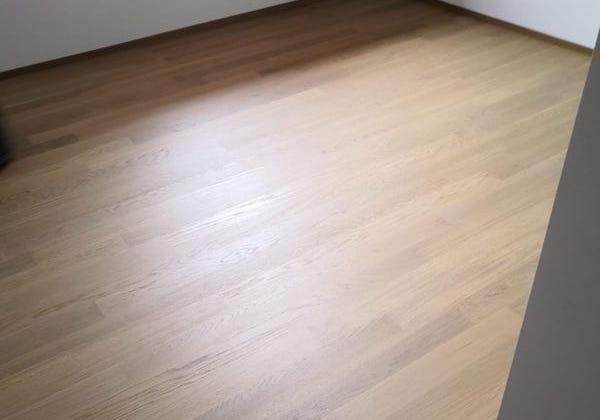
Si tratta, quindi, di quello che potremmo chiamare un parquet di prima scelta e che presenta:
tonalità piuttosto uniformi
venature regolari
nodi piccoli o quasi assenti
È la scelta più indicata per chi desidera:
ambienti eleganti
uno stile contemporaneo o minimale
un pavimento “ordinato” e discreto
Vale sempre la regola che anche la prima scelta non è mai perfettamente identica: il legno rimane comunque un materiale naturale e per quanto l'uomo si possa mettere di impegno a cercare di "uniformarlo", non avrà mai l'uniformità di un materiale stampato.
La scelta triangolo nel parquet di rovere
Nella scelta triangolo:
► è ammesso l'alburno sano
► non sono ammessi nodi, nemmeno sani a meno che non siano inferiori agli 10 millimetri
► non sono ammessi nodi marci stuccati a meno che non siano più piccoli di 5 millimetri
► sono ammessi cretti fino a 15 mm. di lunghezza
► non sono ammesse inclusioni di corteccia o colpi di fulmine
► è consentita la deviazione della fibratura
► è consentita la variazione di colore
► sono consentite le specchiature o slumaccature (raggi parenchimatici)

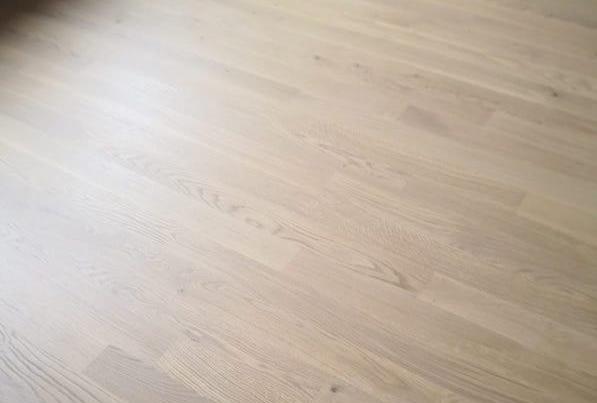
Queste caratteristiche, che impropriamente possono far classificare il legno come di "seconda scelta" non compromettono né la qualità né la durata del parquet.
Al contrario, rendono il pavimento:
più caldo
più autentico
più materico
Sono perfette per:
ambienti più caldi o contemporanei
case vissute
chi ama il legno vero, senza filtri
Come abbiamo già detto la "scelta" nel parquet non identifica la qualità del supporto, dei collanti o del trattamento di protezione per cui potrai trovare un parquet di seconda scelta (megio: scelta triangolo) che costa molto più di un parquet di prima scelta perchè costruito con materiali più validi.
La scelta quadrato nel parquet di rovere
Nella scelta quadrato:
► è ammesso l'alburno sano
► sono ammessi nodi
► sono ammessi nodi marci stuccati
► sono ammessi cretti
► sono ammesse inclusioni di corteccia o colpi di fulmine
► è consentita la deviazione della fibratura
► è consentita la variazione di colore
► sono consentite le specchiature o slumaccature (raggi parenchimatici)


Nodo ≠ difetto
Dal momento che in questa "terza scelta" sono ammessi anche i nodi vale la pena approfondire questa caratteristica che spesso è equivocata. I nodi percepiti nettamente come difetti sono in realtà il punto in cui nasce un ramo dal tronco. E gli alberi hanno i rami, sarebbe strano il contrario.
Insomma i nodi sono una caratteristica strutturale del legno e se sono sani e ben lavorati non compromette la resistenza del pavimento. Molti parquet moderni valorizzano proprio questi elementi, perché raccontano la verità del materiale, la sua autenticità.
Un legno senza nodi è come un albero senza rami...
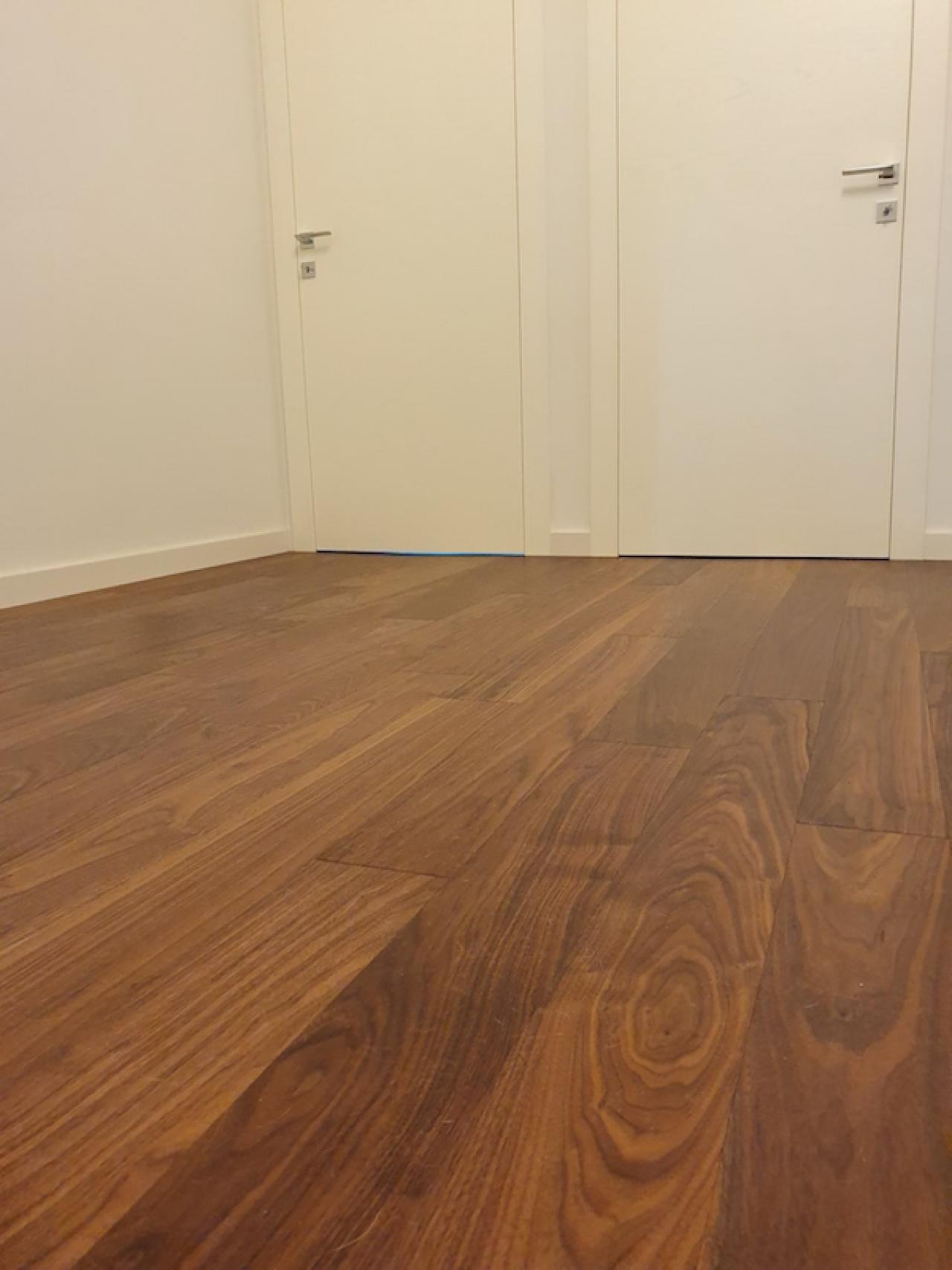
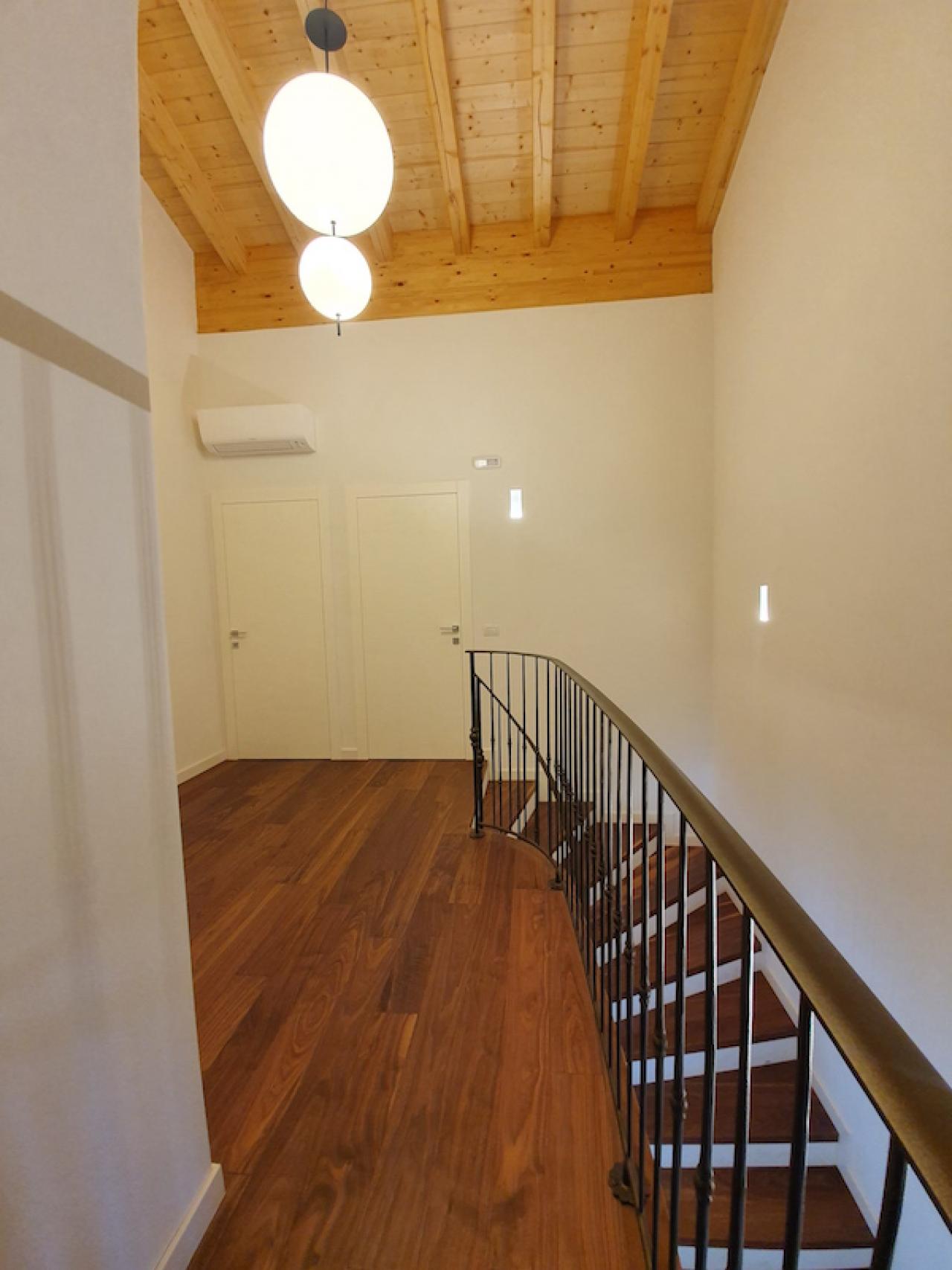
Pavimentazione in legno di noce a Verona
Nessuna scelta è migliore in assoluto
Non esiste una scelta “migliore” in senso assoluto.
Esiste la scelta giusta per il tuo progetto.
Un parquet molto uniforme può risultare perfetto in un attico moderno, così come un parquet ricco di nodi e variazioni può essere straordinario in una casa di campagna o in un interno contemporaneo in cui si voglia "scaldare" con le superfici.
L’errore più grande è scegliere il parquet senza abbinarlo al resto delle finiture per interno oppure pensare che un "parquet di prima scelta" ci dia anche garanzie sulla costruzione tecnica del prodotto.
Scegli il miglior consulente per il tuo parquet
Capire le differenze tra le varie selezioni significa:
evitare delusioni dopo la posa
scegliere consapevolmente
ottenere un risultato coerente con lo stile della casa
Un buon progetto di parquet nasce prima della posa, dall’ascolto delle esigenze e dalla spiegazione chiara di ciò che è normale, naturale e desiderabile nel legno. Per scegliere in modo opportuno dovresti affidarti ad un architetto, affidandoti ai migliori architetti di Vicenza o ai migliori architetti di Verona oppure ad un negozio di pavimenti di fiducia, che abbia esperienza e buona reputazione.
Realizzazione di pavimenti in legno a Valdagno, Vicenza
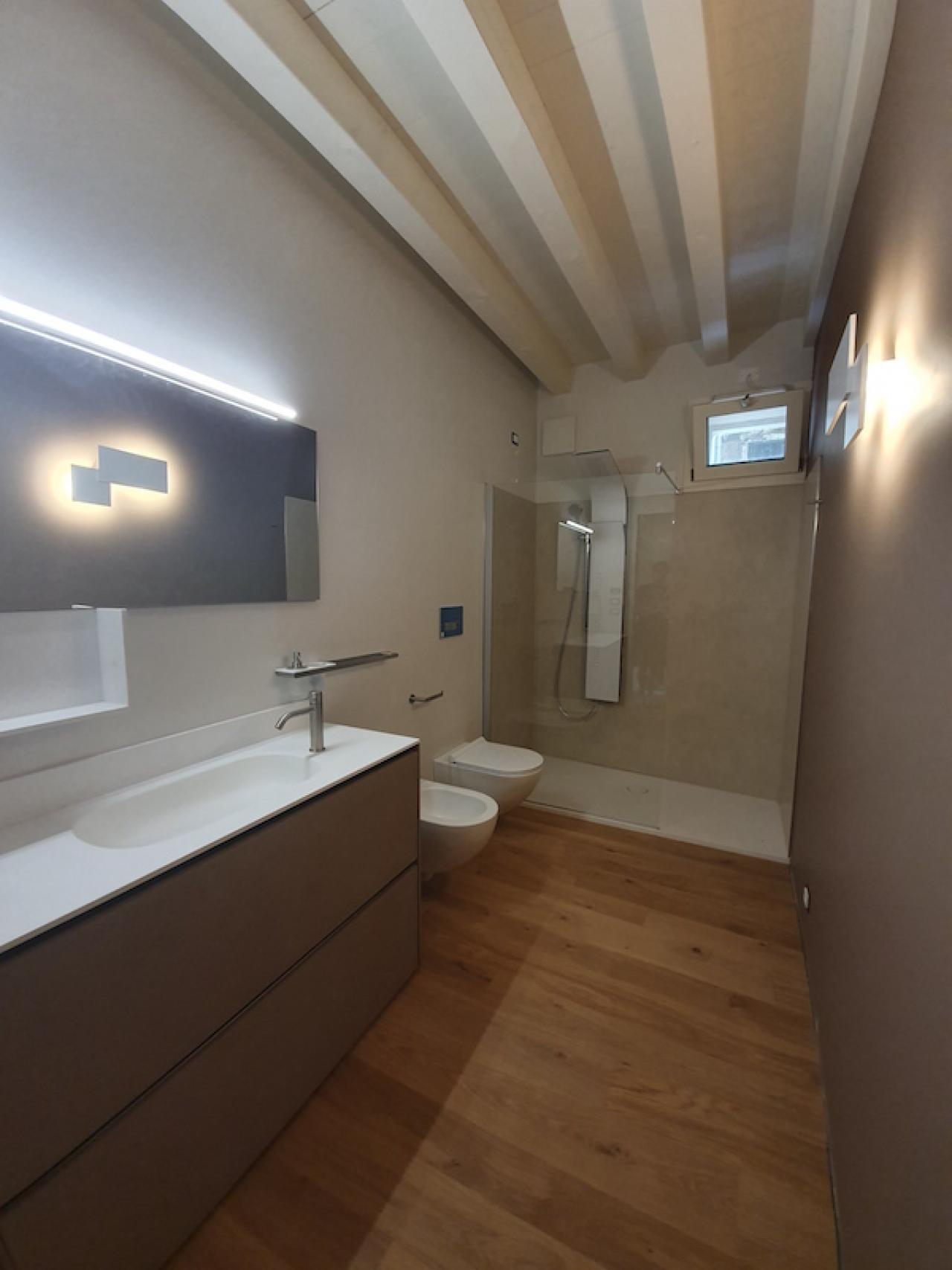
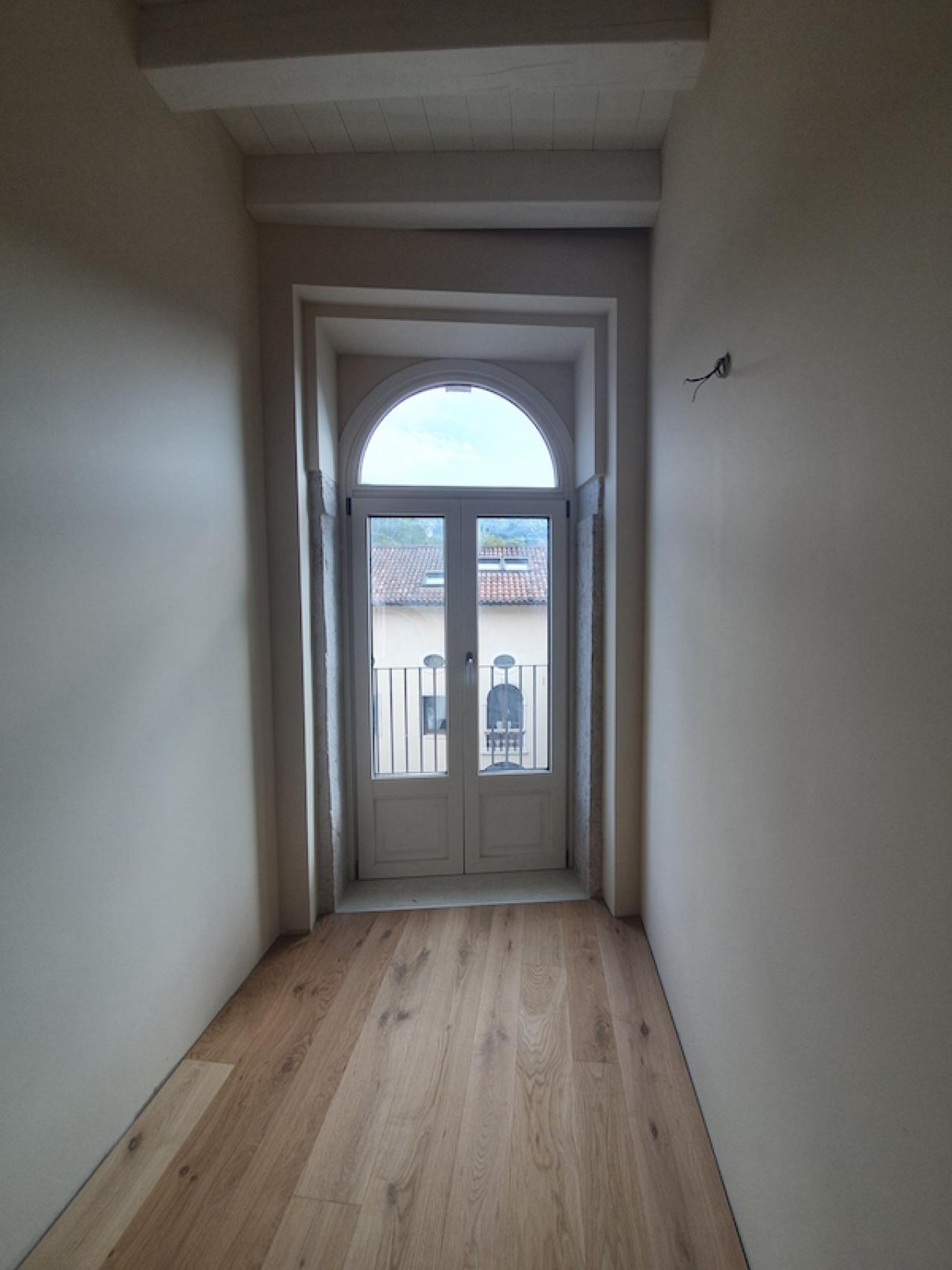
Per vedere la ristrutturazione di bagni e la realizzazione di pavimentazioni in legno di questo storico palazzo a Valdagno, clicca qui: RISTRUTTURARE A VALDAGNO

Aggiungi un commento